Mymensingh District is an administrative region of the Mymensingh Division in central Bangladesh. Due to its location, it is a special class district of Bangladesh. [2] The size of this Mymensingh district has changed from time to time. In 1960, Tangail subdivision was separated from Mymensingh district and made a district. In the 1980s, different subdivisions of Adi Mymensingh district namely Jamalpur, Kishoreganj and Netrokona were upgraded to separate districts. Besides, Sherpur under Jamalpur was also upgraded to a separate district. Earlier, during the British rule, some parts of Mymensingh district were incorporated into Sylhet, Dhaka, Rangpur and Pabna districts.

Mymensingh district is famous for Mymensingh Geetika, Mahua, Malua, Dewana Medina, Chandrabati, Kavikank, Dinesh Chandra Sen and Muktagachhar Monda.
Geographical boundaries:Mymensingh district is bounded on the north by the Indian state of Meghalaya, on the south by Gazipur district, on the east by Netrokona and Kishoreganj districts and on the west by Sherpur, Jamalpur and Tangail districts.
Administrative areas:
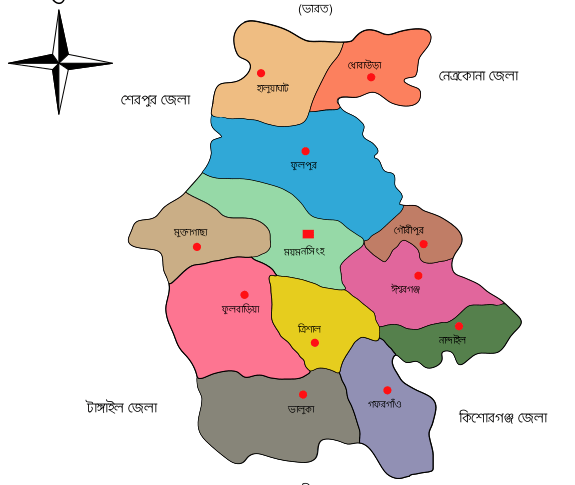
Mymensingh district consists of 1 city corporation with 33 wards, 13 upazilas, 14 thanas, 10 municipalities, 148 unions, 2101 mouzas, 2609 villages and 11 parliamentary seats.
Naming:During the Mughal period there was a saint named Momenshah, after whom the region was named Momenshahi in the Middle Ages. In the sixteenth century, the independent Sultan of Bengal, Syed Alauddin Hussain Shah, formed a new kingdom in the region for his son, Syed Nasir Uddin Nasrat Shah, hence the name Nasratshahi or Nasirabad. The name Nasirabad was changed to Mymensingh due to a mistake. Twenty tins of kerosene were booked at Nasirabad railway station by Barjanlal & Company. The goods went to Nasirabad railway station in Rajputana. There is a lot of suffering in Pohate. Later, due to some confusion, the railway station was renamed Mymensingh. Since then, Mymensingh has been used instead of Nasirabad. However, according to some historians, the Mughal general Manmohan Singh stayed here for several days on his way to subdue Isa Khan. That is why Mymensingh became the name of the place.
History :Mymensingh is an old district of Bangladesh. The district was formed during the rule of the East India Company to collect revenue, increase administrative facilities and especially to suppress local revolts. The district was established on 1 May 18. Initially the work of the district started at the present company house of Begunbari but later it was shifted to Sehra mouza in 1891. Different places of Adi Mymensingh district became part of Sylhet, Dhaka, Rangpur and Pabna districts one by one. Jamalpur subdivision was formed in 1845, Kishoreganj in 180, Tangail in 189 and Netrokona subdivision in 182. Later all the subdivisions were upgraded to districts. Mymensingh became a city in 1811. Raghunandan Acharya, the zamindar of Muktagachha, gave place for the town. The first kerosene lamp was lit on the street in 184. The Dhaka-Mymensingh Railway was formed in 18 and the District Board in 18.
Rivers:
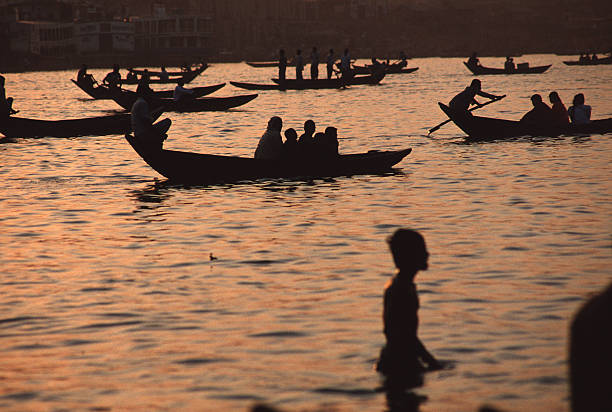
There are many rivers in Mymensingh district. These are Old Brahmaputra River, Kanchamatia River, Magha River, Swain River, Banar River, Bailan River, Daina River, Pagaria River, Sutia River, Kawraid River, Suriya River, Magra River, Bathail River, Narsunda River, Nitai River, Kangs River. , Kharia River, Deer River, Bhogai River, Bandasa River, Maliji River, Dhalai River, Kakuria River, Deor River, Bajan River, Nageshwari River, Akhila River, Miyabua River, Katamdari River, Sirkhali River, Khiru River, Bajua River, Lalti Rivers, Chorkhai river, Barera river, Hingrajani river, Ayman river, Deora river, Thadokura river, Meduari river, Jalgava river, Mahari river.
Educational Institutions:
*Mymensingh Medical College
*Mymensingh Girls Cadet College
*Bangladesh Agricultural University
*Govt. Anando Mohon College
Culture :Mymensingh is a place of pilgrimage in terms of folk culture, folk festivals, folk music and folklore. Mymensingh has a rich cultural heritage that has made significant contributions to the national and international world. Mymensingh Geetika, compiled and edited by Dr. Dinesh Chandra Sen of Calcutta University, has been translated into English and French and has gained the status of world literature. Who has not heard of Mahua, Chandrabati, Dewana Medina etc. in this lyric. There are also Malua, Kamala, Dewan Bhabana, Dasyu Kenaram’s Pala, Rupavati, Kang and Leela, Kajalrekha etc. Here are some quotes:
“The little Rait of Jeth month cannot sleep.
Shuya Binod spends the afternoon of the day on the ground floor.
”
Also,
“Sadhu did not buy paddy in Iradhar’s house.
Alal Dulale paid the price.
”
Moreover, Jatra songs, dramas and Jatras based on rural stories are the tradition of Mymensingh. Among the popular folk songs in different parts of Mymensingh are: , Singing songs, rain songs, washing songs, Shivgauri dance songs, ghazi songs, patagan, tribal songs etc.
Cultural Variety :
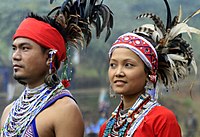
Bengalis, Garos, Hajongs, Kochs and other ethnic groups living in the district hold their own cultural programs. Besides, like other parts of Bangladesh, the indigenous people of this district also celebrate Baishakhi Mela, Eid festival, Durga Puja and other festivals with pomp. The basic features of these programs are communalism free, pure brotherhood, desire to know each other irrespective of caste, religion and caste and enthusiastic participation.
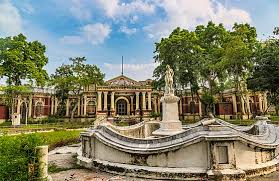
Places of interest:


The media:Jahan, Bengal Land, Justice, Today’s Memories, Shipa, Swadesh News; Weekly: Mymensingh Barta, today’s Muktagachha. Extinct: Kumar, Advertiser (18), Bengali (164), Suhud (185), Promodi (185), Bharat Mihir (165), Sanjivani (18), Basna (1899), Avarti (1901), Swadesh Sampad (1905) , Shiksha Sourav (1912), Hafez Shakti (1924), Gana Abhiyan (1938), Weekly Charumihir (1939), Uttar Akash (1959), Anirban (1973), Jagrat Bangla (1971).
Local Bengali:In the case of the regional languages of the Mymensingh region, the ‘tension-tone’ of the important subject is pronounced and the accent or dialogue projection. In the case of the languages of the lower regions, the words may be spelled out on paper, but the craftsmanship of their voices can only be perceived by hearing, it is difficult to read and understand. Although the use of tatsam, tadbhab, desi and foreign words can be noticed in Bengali language, the use of tatsam in regional language of Mymensingh region is less. Although the use of tatsam, tadbhab, desi and foreign words can be noticed in Bengali language, the use of tatsam in regional language of Mymensingh region is less. Although different business communities in different regions have their own sign languages, it is not easy for words from all those languages to be integrated into the original language, and the chances are slim; But many words in the regional language of Mymensingh have already become part of the original language and have taken place in standard Bengali. The beauty of the language is not rooted in the fact that the words of the vernacular have taken place in the original language; The power of language lies in its rich vocabulary and the beauty of language lies in its mobility – in its comprehension and in its distinctive projection.Just as different ethnic groups in Bangladesh have their own language, so do different sign languages of different communities. The ‘Mandi’ language of the Garo people of Mymensingh, the language of the Koch and Hajong communities or the local language of Ashtagram in the lower region of Kishoreganj, which they named ‘Sukun’, ‘Suon’ or ‘Chuhum’.
Traditional and popular food:
*Pearl Manda
*Zakir Mia’s Talk Jilapi
*Cut to pieces
*Chappa-Shutki’s Puli
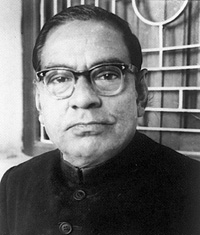
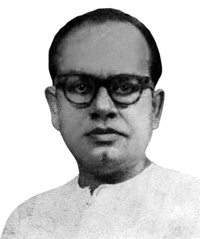
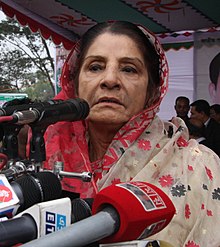
Notable personalities:

 District profile of Bangladesh
One response to “Introduction to Mymensingh District”
Good job
LikeLike